
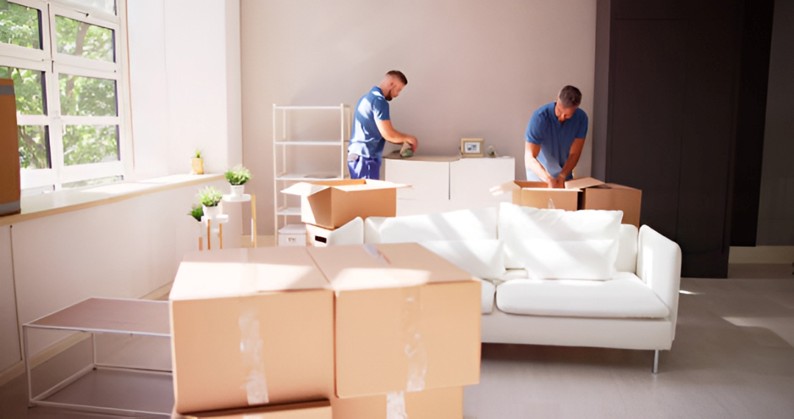
Moving house in Melbourne involves far more than loading a truck. Narrow streets, apartment lifts, parking rules and changing weather can all affect your day. At Vanguy, we help Melbourne households move with care and clear planning. This guide shares 15 practical tips to help you prepare early, protect your belongings and settle into your new home with less stress.
Key Takeaways
- Start planning at least six to eight weeks ahead.
- Declutter before you pack to save time and money.
- Check council parking and building access rules early.
- Choose a reputable removalist with a written quote.
- Update your address and utilities before moving day.
Why Planning Matters
Moving involves more tasks than most people expect. Elite Agent reported national research showing that Australians face more than 60 separate tasks when relocating. Movers took an average of 4.45 days off work, and 94 per cent reported at least one emotional or physical challenge.
The same research found that nine in ten Australians handle at least part of their move themselves, and more than half later wish they had paid for help. Professional house removal services can help reduce the workload and make moving day easier to manage.
Melbourne’s rental market adds extra pressure. Time Out Melbourne reported Domain data showing Melbourne’s median house asking rent reached a record $600 per week, with a vacancy rate of just 1.2 per cent. When homes are hard to secure, moving dates can come together quickly.
These 15 tips will help you stay organised from start to finish.
1. Start Planning Early
Begin preparing six to eight weeks before your move. Create a simple timeline with key dates, such as when to book a removalist, start packing and arrange utilities.
A written plan keeps important tasks from being forgotten during busy weeks.
2. Declutter Before You Pack
Every item you move takes time to pack, load and unpack. Sorting your belongings first can reduce the size of your move.
- Keep: Items you use regularly or value
- Donate: Clothing, homewares and furniture in good condition
- Sell: Larger items such as furniture or appliances
- Recycle or Dispose: Broken or worn out items
Vinnies accepts clothing, homewares and some furniture at its shops, but not every store takes furniture. It also notes that donations are not collected from private homes in Victoria, so check with your local store first.
3. Choose a Reputable Removalist
Your removalist plays a major role in how smoothly your move goes. Consumer Affairs Victoria reported that reports about removalists rose from 656 in 2019 to 726 in 2020.
It recommends comparing quotes carefully rather than choosing the cheapest option, and asking how fragile or valuable items will be transported.
4. Get a Written Quote
Always ask for a written quote that clearly explains:
- Hourly rates or fixed pricing
- Minimum hours and travel time
- Charges for stairs, lifts or long walks
- Packing materials and extra services
- Insurance cover for goods in transit
A detailed quote helps you compare providers fairly and avoid surprises.
5. Book Your Moving Date Wisely
Weekends, month ends and summer are busy times for Melbourne removalists. If your dates are flexible, a weekday move can make booking easier.
Book as early as possible once your move date is confirmed.
6. Check Parking and Council Rules
Parking can be one of the biggest challenges in Melbourne, especially in inner suburbs. Checking council rules for parking permits and loading zones to avoid fines. It also notes that suburbs such as Richmond, Carlton and Fitzroy have narrow back streets that can be difficult for loaded trucks.
Contact your local council early if a temporary parking permit is needed at either property.
7. Book Lifts and Loading Docks
If you live in an apartment, speak with building management well before moving day. Many buildings require you to book the lift, use protective padding and move within set hours.
8. Gather Quality Packing Supplies
Strong boxes and good packing materials protect your belongings. You will need:
- Sturdy boxes in a range of sizes
- Packing tape and a tape dispenser
- Bubble wrap and packing paper
- Furniture blankets or covers
- Markers and labels
9. Pack Room by Room
Packing one room at a time keeps the process manageable. Start with rooms you use least, such as spare rooms, garages and storage areas.
- Place heavy items in small boxes so they are easier to lift.
- Fill gaps with paper or linen to stop items from shifting.
- Label each box with its contents and destination room.
- Mark fragile boxes clearly on several sides.
10. Keep Valuables and Documents With You
Pack important items separately and keep them with you on moving day. This includes passports, jewellery, medication, chargers, keys and important paperwork.
11. Prepare an Essentials Box
Your first night in a new home is easier when the basics are ready. Pack a box with toiletries, a change of clothes, bedding, snacks, a kettle, cups, basic tools and phone chargers.
12. Update Your Address and Utilities
A long list of organisations will need your new details. CommBank suggests updating your address with your bank, insurers, energy and phone providers, employer, the ATO and your licence and vehicle registration authority.
It also recommends arranging mail redirection, final meter readings and the transfer of electricity, gas and internet services. Considering contents insurance that covers items in transit is another worthwhile step.
13. Plan for Pets
Moving can be unsettling for animals. RSPCA Australia suggests keeping pets with a trusted friend or in boarding on moving day, or securing them in a quiet room with food and water.
Once you arrive, keep cats in one room for a couple of days before slowly opening up the rest of the home. Remember to update your pet’s microchip and ID tag details.
14. Support Children Through the Move
Children often feel the change most. Research in the Australian Journal of Education noted that over 40 per cent of Australian children moved home at least once between the 1996 and 2001 Censuses, and highlighted the importance of good schooling in building resilience.
A study in Longitudinal and Life Course Studies, using data from the Longitudinal Study of Australian Children, found that moving was not in itself a major factor in academic performance. However, moves around school entry were linked with weaker Year 3 results.
Helpful steps include:
- Explaining the move early and simply
- Letting children pack a special box
- Visiting the new area together
- Setting up their bedroom first
15. Do a Final Check Before You Leave
Before handing over the keys, walk through every room. Check cupboards, drawers, sheds, meter boxes and behind doors.
- Take photos of the property’s condition
- Turn off lights and appliances
- Lock windows and doors
- Return keys and remotes
If you are renting, a careful final check can support a smooth bond return.
How Vanguy Can Help
A well planned move saves time, money and stress. At Vanguy, house removals service provides experienced movers, suitable trucks and careful handling for homes of every size across Melbourne. We work with you to plan access, timing and packing so moving day runs smoothly.
Conclusion
Moving house in Melbourne is easier with early planning, smart packing and the right support. By decluttering, checking access rules, updating your details and choosing a reliable removalist, you can avoid common problems and settle in faster. Contact us today for a clear quote and a professional, stress free move to your new Melbourne home.
FAQs:
How far in advance should I book a removalist in Melbourne?
Book four to six weeks ahead, or earlier during busy periods such as summer, weekends and month ends.
What is the cheapest day to move house?
Weekdays outside peak periods are often cheaper, as removalists usually have more availability than on weekends.
Do I need a parking permit to move house in Melbourne?
Many councils require permits for trucks in restricted areas. Check with your local council before moving day.
How long does it take to pack a house?
A small apartment may take a few days, while a family home can take one to two weeks.
What should I pack first when moving?
Start with rooms and items you use least, such as spare rooms, garages, books and seasonal items.
Who should I notify when moving house?
Notify your bank, insurers, utility providers, employer, the ATO, schools and your licence and registration authority.